
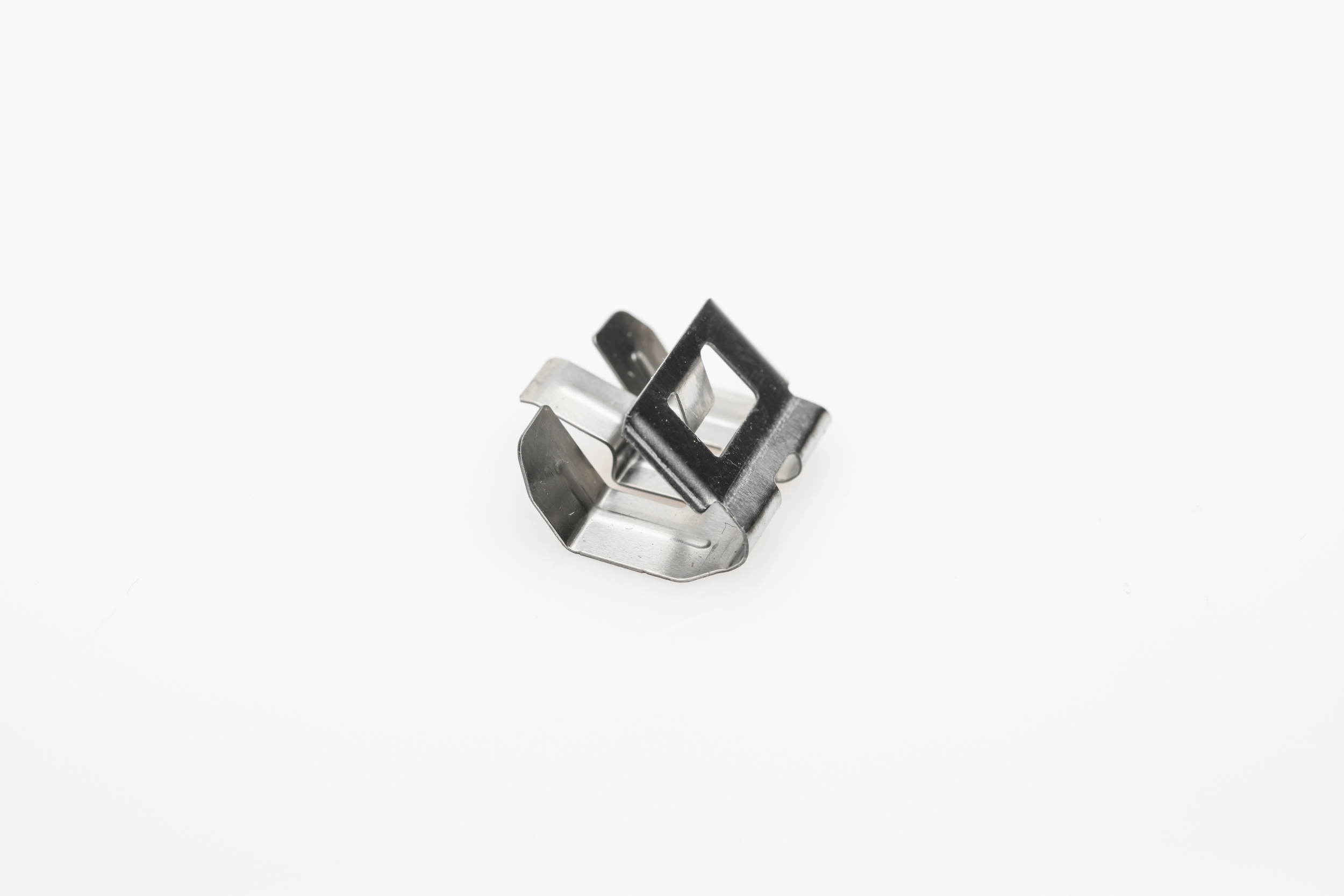
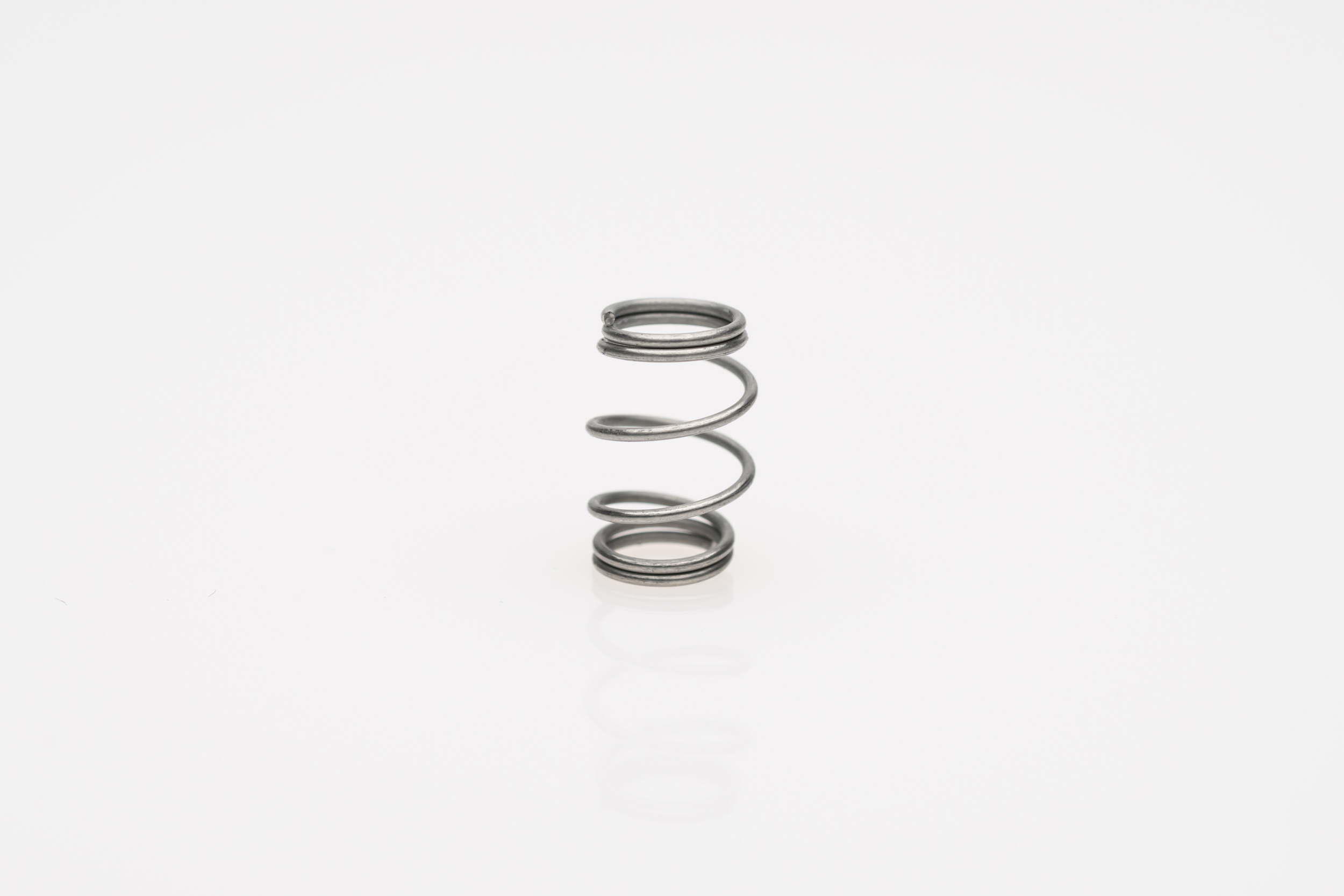
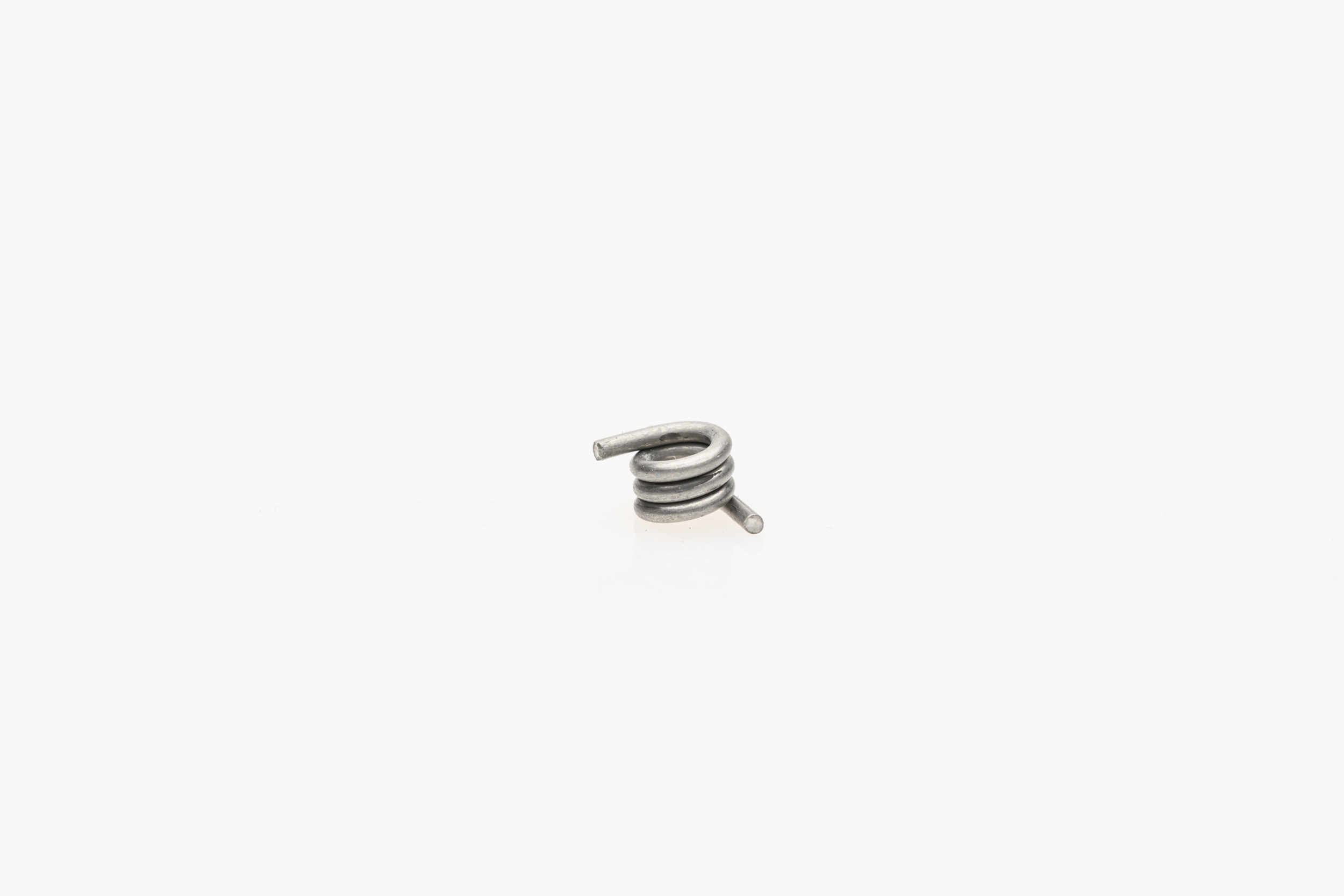
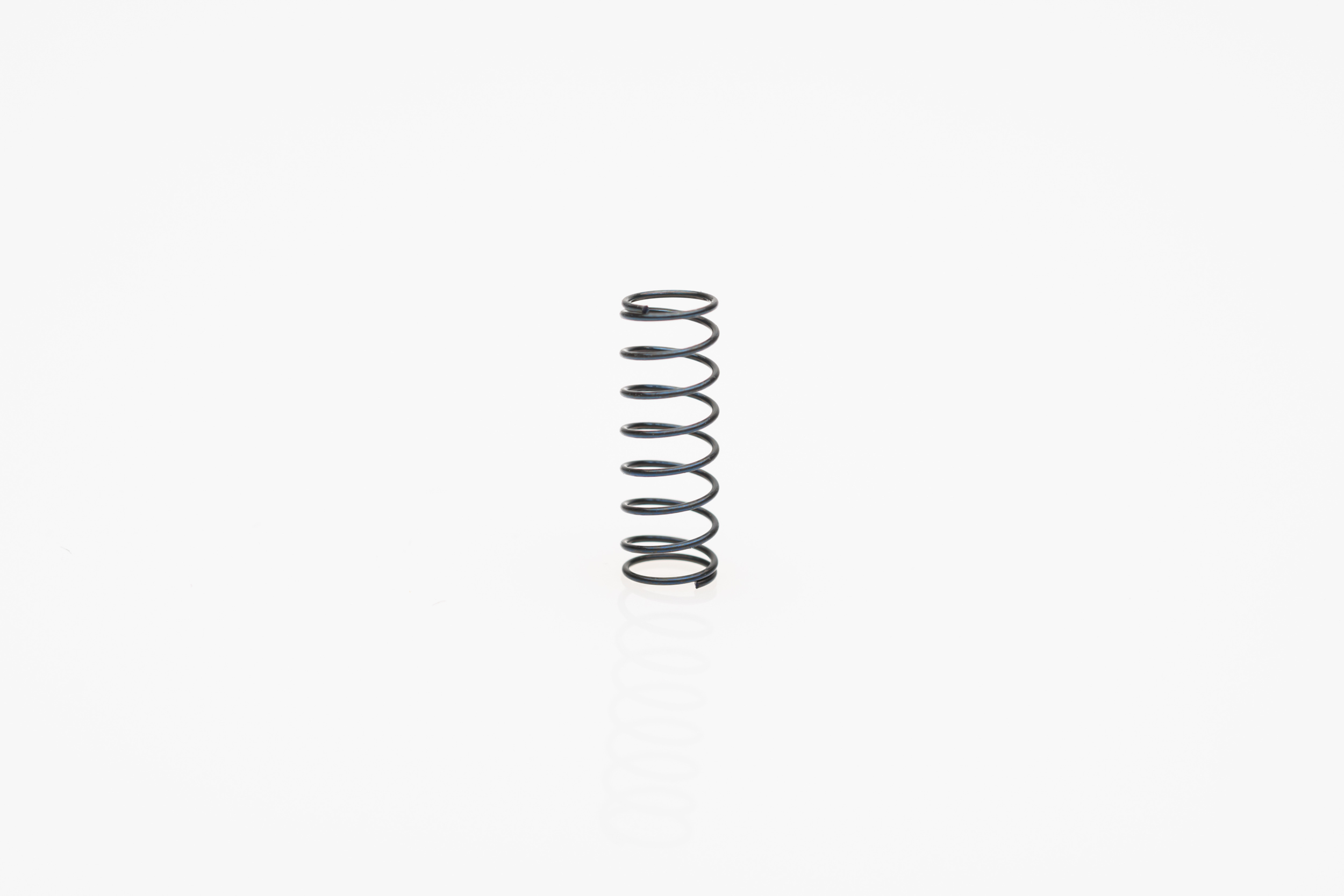
Precision springs are key components in technical applications
where reliability, repeatability, and long-term performance are critical.
Jung Federn develops and manufactures customized solutions
for industrial requirements—from prototypes to mass production.
CUSTOM MANUFACTURING FOR DEMANDING APPLICATIONS
Whether for mechanical engineering, electrical engineering, or industrial components – every application places different demands on material, geometry, and load capacity. Together with our customers, we develop precision springs that are precisely tailored to the area of application.

Your contact person
Jens Knüppel
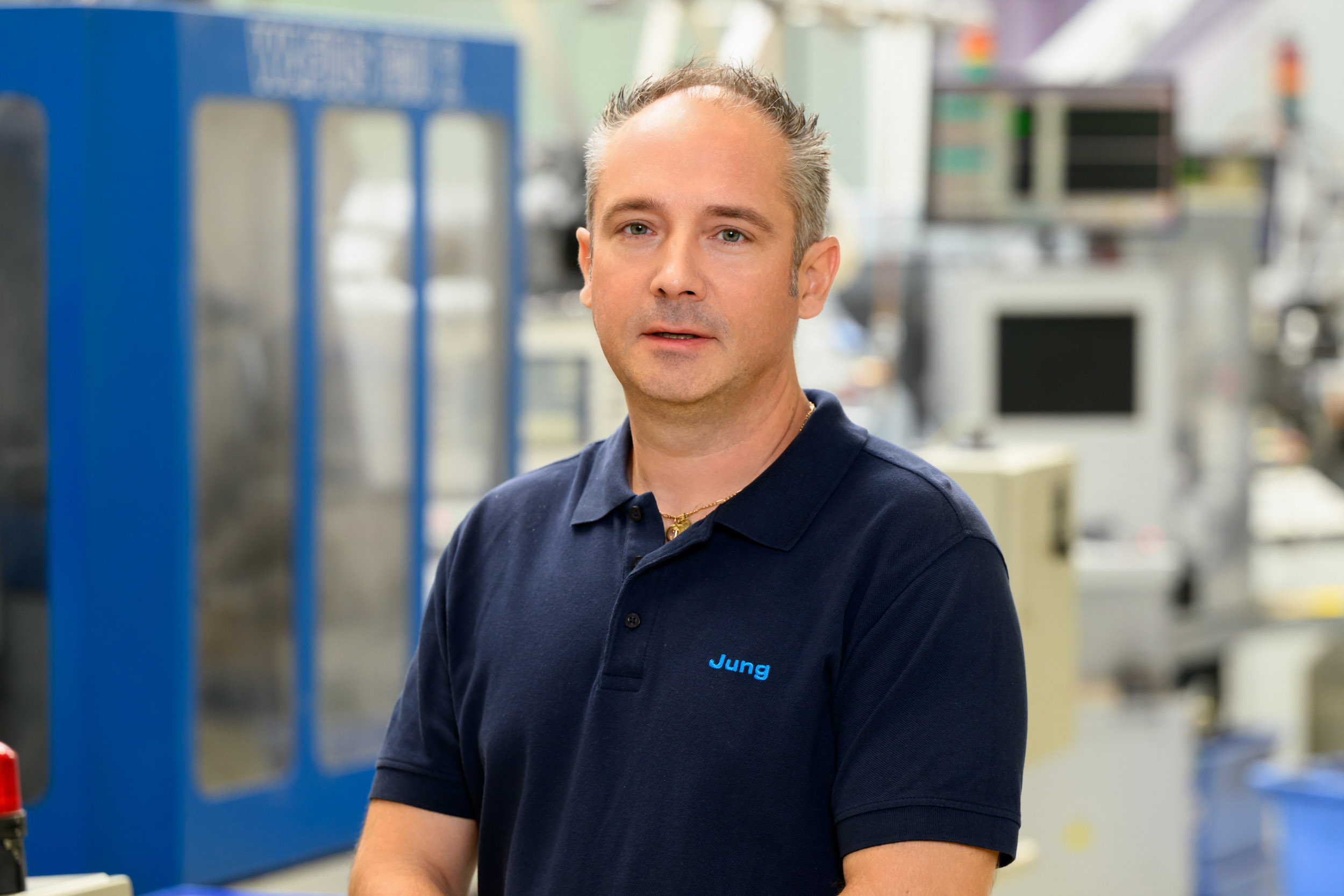
Your contact person
Sven Marienfeld
OUR SERVICES
- Analysis, coordination, and design
- Prototype and series production
- High manufacturing precision
- Customized Technical Consulting
- Various materials and geometries
- Various surface finishes
INDUSTRIES
Technical Inquiry
Are you planning a new project or do you need support with an existing application?
Send us your inquiry—we’ll work with you to find the optimal solution.
AUTOMOTIVE
MEDICAL
ELECTRICAL
INDUSTRY
FAQ
Do you have any further questions?
Our support team will be happy to assist you:
Which precision springs does JUNG manufacture?
Compression springs, torsion springs, and custom special solutions.
Is manufacturing to drawing possible?
Yes, custom manufacturing according to customer specifications is possible.
Is prototype production possible?
Yes, depending on the project requirements.
Surface treatment
- Electroplated coatings
- Passivation
- Shot peening
- Vibratory finishing
- Flocking technology
- Silver plating
- Zinc flake coatings (Microcor, Delta Seal)
- Grinding spring ends
QM (Quality Management
We verify compliance with the specified geometric and force-related requirements.
These include spring length, spring diameter, wire gauge, and spring force for compression springs. For torsion springs, the spring angles, leg angles, spring diameter, wire diameter, and torque are measured.
For stamped and bent parts, all geometric dimensions are measured.
Inspection is performed using optical measurement systems or standard measuring instruments, such as a micrometer or a vernier caliper. Force-displacement test stands or torsion meters are used to verify force-related requirements.
Our quality assurance standards are ISO 9001, ISO 14001, and the Automotive Core Tools, which are bundled in the MAQMSR.

In der Hälver 23
58553 Halver-Carthausen

